Bombay: More Than Just a City - A Feeling, A Frenzy, A Forever
Bombay. The name itself conjures a whirlwind of images: bustling markets, Bollywood glamour, colonial architecture, the relentless crash of waves, and a vibrant, chaotic energy that’s unlike anywhere else on earth. More formally known as Mumbai, but still affectionately – and stubbornly – called Bombay by many, this city is more than just a metropolis; it’s a feeling, a microcosm of India, a crucible where ambition, despair, and resilience collide. This isn’t just a travel guide; it’s a love letter to a city that relentlessly demands your attention, challenges your perceptions, and ultimately, captures a piece of your soul.
A History Etched in Stone and Sea
To understand Bombay, you must first understand its history. The story doesn’t begin with the modern megacity, but with a cluster of seven islands inhabited by Koli fishermen, the original inhabitants who still maintain a presence in the city’s coastal areas. For centuries, these islands were under the control of various indigenous dynasties – the Satavahanas, the Chalukyas, the Silaharas, and finally, the Sultanate of Gujarat.
The turning point came in 1661 when the islands were ceded to the English as part of the dowry of Catherine of Braganza, upon her marriage to King Charles II. Initially, the English East India Company saw little value in the swampy, sparsely populated islands. However, their strategic location – a natural deep-water harbor – soon became apparent. The Company began to consolidate the islands, building fortifications and establishing a trading post, and slowly, Bombay began to transform.
The 18th and 19th centuries witnessed a period of rapid growth fueled by trade, particularly in cotton. Bombay became the “Cottonopolis of India,” drawing merchants, traders, and laborers from across the country and beyond. This influx of people led to the development of distinct neighborhoods, each with its own character and community. The iconic colonial architecture – the Victorian Gothic buildings of South Bombay, the Art Deco structures along Marine Drive – stands as a testament to this era. Chhatrapati Shivaji Maharaj Terminus (formerly Victoria Terminus), a UNESCO World Heritage Site, is perhaps the most magnificent example, a breathtaking blend of Victorian Gothic and Indian architectural styles.
However, this prosperity came at a cost. The British Raj imposed stringent controls and exploited India’s resources, leaving a legacy of inequality and social division. Bombay was a key center for the Indian independence movement, witnessing countless protests, rallies, and acts of defiance. Figures like Mahatma Gandhi frequently addressed crowds in the city, igniting the spirit of nationalism.
The Soul of the City: Neighborhoods That Breathe
Bombay isn’t a city you see; it’s a city you experience through its neighborhoods. Each district has a distinct personality, a unique rhythm, and a story to tell.
-
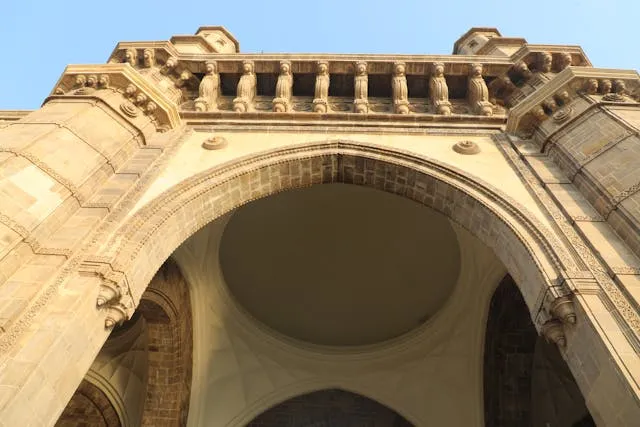
Colaba: The heart of South Bombay, Colaba is a melting pot of colonial grandeur and modern energy. The Gateway of India, an imposing arch overlooking the Arabian Sea, is the iconic landmark. Explore the bustling Colaba Causeway, a street market overflowing with jewelry, clothes, handicrafts, and street food. The Taj Mahal Palace Hotel, a symbol of luxury and resilience (having withstood the 2008 terrorist attacks), stands as a beacon of elegance.
-
Fort: The historical and commercial hub of Bombay, Fort is characterized by its Victorian Gothic architecture, narrow lanes, and bustling offices. Explore the David Sassoon Library, a stunning Victorian building housing a vast collection of books, and the Chhatrapati Shivaji Maharaj Vastu Sangrahalaya (formerly Prince of Wales Museum), showcasing Indian art and history.
-
Dharavi: Often misrepresented as a slum, Dharavi is, in reality, a thriving informal economy. It’s one of Asia’s largest slums, but it’s also a bustling industrial hub, home to countless small businesses – pottery workshops, textile factories, leather tanneries, and recycling plants. Dharavi is a testament to the ingenuity and entrepreneurial spirit of its residents. Organized tours offer a respectful and insightful glimpse into this unique community.
-
Bandra: A vibrant and cosmopolitan suburb, Bandra is known for its trendy cafes, boutiques, art galleries, and nightlife. Mount Mary Church, a beautiful basilica overlooking the Arabian Sea, is a popular pilgrimage site. Walk along Bandstand, a promenade offering stunning views of the sea and the homes of Bollywood stars.
-
Juhu: Famous for its long sandy beach, Juhu is a popular destination for families and food lovers. Enjoy street food like pani puri and pav bhaji from the numerous stalls along the beach.
-
Crawford Market: A sensory overload in the best possible way, Crawford Market is a sprawling wholesale market selling everything from fruits and vegetables to spices, flowers, and poultry. It’s a vibrant and chaotic experience, offering a glimpse into the daily lives of Bombay’s residents.
Bollywood and the Magic of Cinema
Bombay is synonymous with Bollywood, the Hindi-language film industry that produces some of the most popular movies in the world. The city is a hub of cinematic activity, with studios, editing rooms, and post-production facilities scattered throughout the suburbs.
Taking a Bollywood Studio Tour is a must for film buffs. You can witness live filming, explore the sets, and learn about the filmmaking process. Keep an eye out for celebrities – you might even spot one during your tour! Beyond the studios, the spirit of Bollywood permeates the city. Expect spontaneous dance numbers in public spaces, posters of movie stars adorning every wall, and a general sense of theatricality.
A Culinary Journey: From Street Food to Fine Dining
Bombay’s culinary scene is as diverse and vibrant as the city itself. From humble street food stalls to world-class restaurants, there’s something to satisfy every palate.
-
Street Food: No trip to Bombay is complete without indulging in the street food. Vada pav (a deep-fried potato patty served in a bun), pani puri (crispy hollow puris filled with spiced water and potatoes), pav bhaji (a thick vegetable curry served with bread rolls), and bhel puri (a savory snack made with puffed rice, vegetables, and chutneys) are just a few of the must-try dishes.
-
Seafood: Being a coastal city, Bombay offers a wide variety of fresh seafood. Try the bombil (Bombay duck), a local delicacy, or indulge in a seafood thali (a platter of assorted seafood dishes).
-
Maharashtrian Cuisine: Explore the flavors of Maharashtra, the state in which Bombay is located. Misal pav (a spicy lentil curry served with bread rolls), shrikhand (a sweet yogurt dessert), and puran poli (a sweet flatbread) are some of the traditional dishes.
-
Fine Dining: Bombay boasts a burgeoning fine dining scene, with restaurants offering cuisines from around the world. From Indian fusion to European classics, you’ll find a culinary experience to suit every taste.
Navigating the Chaos: Practical Tips
Bombay can be overwhelming, especially for first-time visitors. Here are a few tips to help you navigate the chaos and make the most of your trip:
- Transportation: The local train network is the lifeline of Bombay, but it can be incredibly crowded, especially during peak hours. Taxis and auto-rickshaws are readily available, but make sure the driver uses the meter. Ride-sharing apps like Uber and Ola are also popular options.
- Accommodation: Bombay offers a wide range of accommodation options, from budget hostels to luxury hotels. Choose a neighborhood that suits your preferences and budget.
- Dress Code: Dress modestly, especially when visiting religious sites. Light, comfortable clothing is recommended, as the weather can be hot and humid.
- Bargaining: Bargaining is common in markets and with auto-rickshaw drivers. Don’t be afraid to negotiate the price.
- Stay Hydrated: Drink plenty of water to stay hydrated, especially during the summer months.
- Be Aware of Your Surroundings: Bombay is a relatively safe city, but it’s always important to be aware of your surroundings and take precautions against pickpockets and scams.
- Embrace the Chaos: Bombay is a city of contrasts, a whirlwind of sights, sounds, and smells. Embrace the chaos and allow yourself to get lost in the experience.
Bombay: A City That Stays With You
Bombay is a city that stays with you long after you’ve left. It’s a city that challenges your senses, stretches your patience, and ultimately, rewards you with an unforgettable experience. It’s a city of dreams, of opportunity, of relentless energy, and of profound human connection. It’s a city that demands your attention, captivates your imagination, and leaves an indelible mark on your soul.
Whether you’re drawn by the promise of Bollywood glamour, the allure of colonial architecture, the vibrant street life, or the culinary delights, Bombay will undoubtedly leave you spellbound. It’s a city that doesn’t just offer a glimpse into India; it is India, in all its glorious, complex, and captivating beauty.
Go. Explore. Get lost. And let Bombay work its magic on you. You won’t regret it.