Beast Mode & Beyond: Marshawn Lynch's Unexpected 'Euphoria' Cameo and the Power of Authenticity
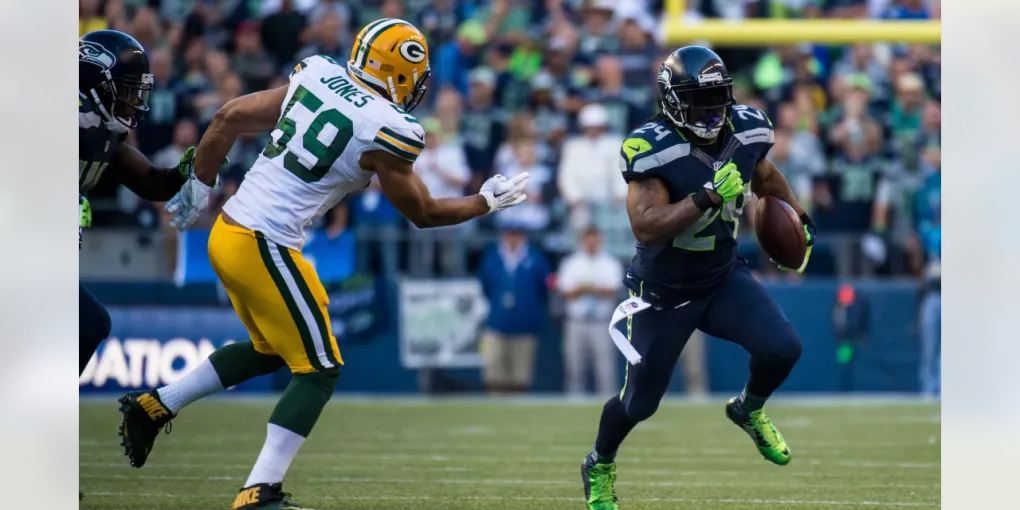
Marshawn Lynch. The name conjures images of bone-crushing runs, Skittles, pointed silences, and an unwavering commitment to being unapologetically himself. A football icon known for his physicality and reluctance for media fanfare, seeing Lynch pop up in the hyper-stylized, emotionally raw world of HBO’s ‘Euphoria’ felt… jarring, yet strangely perfect. It wasn’t a fleeting, blink-and-you’ll-miss-it appearance either. Lynch wasn’t just in season two of the show, he was a recurring character, playing a father figure to Nate Jacobs (Jacob Elordi), and, arguably, becoming one of the most talked-about aspects of the season.
This wasn’t a celebrity stunt casting designed for headlines. It was a remarkably nuanced performance that tapped into the core of what makes Lynch so compelling: authenticity. It wasn’t about seeing ‘Marshawn Lynch, the football player’ portraying a character. It was about seeing a genuine human being, bringing his own lived experiences and quiet intensity to a role that desperately needed it. This post dives deep into the unexpected brilliance of Lynch’s ‘Euphoria’ role, exploring how it resonated with viewers, what it says about his public persona, and the broader implications of athletes stepping outside traditional entertainment boundaries.
From Gridiron to Grief: The Role of Marshaun Lynch in ‘Euphoria’
In ‘Euphoria’, Lynch plays a character simply named ‘Marshaun’, a truck driver and the estranged father of Nate Jacobs. The character’s backstory is steeped in trauma. He abandoned Nate and his mother as a child due to his own abusive upbringing, a cycle of violence he desperately tries to break. This isn’t a glossed-over plot point; it’s central to Marshaun’s interactions with Nate. He’s not a perfect father, nor does the show pretend he is. He’s flawed, struggling, and attempting to navigate the complexities of reconnecting with a son he left behind.
What’s striking is how seamlessly Lynch embodies this vulnerability. He doesn’t act like a man grappling with past trauma; he is a man carrying that weight. His signature stoicism isn’t played as aloofness, but as a protective shield, a way of navigating a world that has caused him immense pain. The scenes between Lynch and Elordi are often charged with unspoken emotions. Long pauses, meaningful glances, and carefully chosen words speak volumes. There’s a palpable tension, a push and pull between a father desperate to do right and a son deeply wounded by abandonment.
Lynch’s character isn’t there to provide easy answers or a neat resolution to Nate’s problems. He’s a catalyst for Nate to confront his own demons, forcing him to examine the roots of his rage and aggression. He isn’t a savior, but a flawed human being offering a glimpse of a different path – a path that requires acknowledging pain, taking responsibility, and breaking the cycle of abuse. The writers smartly avoided turning Marshaun into a saintly figure, instead opting for a realistic portrayal of a man trying to be better, even when he stumbles.
Why Marshawn Lynch Worked: Authenticity as a Performance
Many actors strive for authenticity in their roles, but Lynch brings a unique brand of it to the table. His entire public persona has been built around a refusal to conform to expectations. He famously eschewed interviews, disliked media obligations, and generally kept his private life fiercely guarded. This wasn’t arrogance; it was a conscious decision to protect his energy and focus on what truly mattered to him: his family, his community, and his craft.
That authenticity translated beautifully to ‘Euphoria’. Lynch wasn’t pretending to be a gruff, introspective father figure. He is a man who values privacy, who operates on his own terms, and who isn’t afraid to show vulnerability when it feels right. The camera simply captured a different facet of his personality, one that many hadn’t seen before.
The casting director, Jessica Jensen, spoke extensively about the intentionality behind choosing Lynch. She wasn’t looking for an actor who could play a tough guy, but someone who genuinely embodied those qualities. “We were really looking for someone who felt authentic and raw, and who could bring a grounded presence to the show,” Jensen explained. “Marshawn just felt right. He’s a really complex person, and he was able to bring a lot of depth to the role.”
Furthermore, Lynch’s lack of extensive acting experience became an asset. He wasn’t weighed down by preconceived notions of how to “perform” for television. He approached the role with a naturalism and spontaneity that felt refreshing, especially in a show known for its heightened emotional intensity. He didn’t rely on dramatic flourishes or over-the-top reactions; his performance was characterized by subtlety and restraint.
Beyond the Hype: The Deeper Resonance
‘Euphoria’ is a show that deals with incredibly difficult and sensitive topics – addiction, trauma, identity, and mental health. It’s a show that doesn’t shy away from the darkness, and it often forces viewers to confront uncomfortable truths. In this context, Lynch’s presence felt particularly powerful.
His character provided a much-needed anchor in a sea of teenage angst and emotional chaos. Marshaun represented a generation grappling with the consequences of past trauma, a generation trying to break cycles of abuse and build healthier relationships. He wasn’t a perfect father, but he was a father who was trying, and that resonated with many viewers.
Social media exploded with praise for Lynch’s performance. Viewers lauded his authenticity, his vulnerability, and his ability to convey so much with so little. Many commented on how his character felt like a genuine representation of a flawed but well-intentioned father, a figure rarely seen on television.
The impact extended beyond just positive reviews. Mental health organizations noted an increase in conversations about trauma and abuse following the airing of episodes featuring Lynch. His character’s story sparked important dialogues about the importance of seeking help, breaking cycles of violence, and acknowledging the long-lasting effects of childhood trauma.
Athletes as Artists: Expanding the Definition of Performance
Marshawn Lynch’s foray into acting represents a broader trend: athletes increasingly exploring creative outlets beyond their respective sports. From LeBron James’s production company to Michael Jordan’s ventures into filmmaking, professional athletes are demonstrating that their talents and passions extend far beyond the playing field.
This shift is challenging traditional definitions of “performance.” For years, athletes have been seen primarily as physical performers, judged on their strength, speed, and skill. But Lynch’s ‘Euphoria’ role, along with other examples of athletes pursuing artistic endeavors, is highlighting the emotional intelligence, discipline, and storytelling abilities that are often inherent in elite athletes.
Athletes are, at their core, performers. They train rigorously, they learn to control their bodies and minds, and they perform under immense pressure. These skills are transferable to other creative fields, such as acting, music, and filmmaking. Lynch, in particular, demonstrated a natural ability to inhabit a character, to convey emotion, and to connect with an audience.
Furthermore, athletes often have unique perspectives and experiences that can enrich storytelling. They’ve faced adversity, they’ve overcome challenges, and they’ve learned valuable lessons about life, teamwork, and perseverance. These experiences can inform their creative work and offer audiences fresh insights.
The Legacy of ‘Beast Mode’ in a Different Light
Marshawn Lynch will forever be remembered as ‘Beast Mode’, the bruising running back who terrorized defenses and captivated fans with his powerful runs and enigmatic personality. But his ‘Euphoria’ cameo adds another layer to his already complex legacy. It demonstrates his willingness to take risks, to challenge expectations, and to embrace new opportunities.
He didn’t need to prove anything to anyone. He could have easily rested on his laurels and enjoyed a comfortable retirement. But he chose to step outside his comfort zone, to expose his vulnerability, and to connect with an audience in a completely different way.
Ultimately, Marshawn Lynch’s ‘Euphoria’ role is a testament to the power of authenticity. It’s a reminder that true performance isn’t about pretending to be someone you’re not, but about embracing who you are and bringing your whole self to the table. And in a world often dominated by artifice and carefully constructed personas, that’s a message that truly resonates. He reminded us that even the toughest exteriors can conceal profound emotional depths, and that even in the darkest of stories, there’s always room for hope, healing, and genuine connection. The ‘Beast Mode’ we knew on the football field evolved, revealing a vulnerability and depth that surprised and moved audiences, solidifying Marshawn Lynch’s status as not just a football legend, but a compelling and authentic artist in his own right.